
My Design Philosophy
I learned to listen before I learned to design
My first big project failed because I designed for myself instead of users. Spent months perfecting an interface that looked amazing in my portfolio but completely confused actual people. Now I start every project by talking to users, even when stakeholders are pushing for "quick wins."

Image
Me thinking
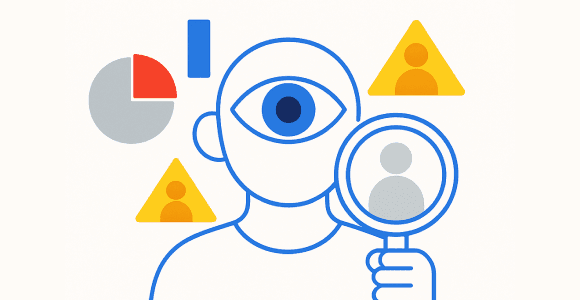
Data tells me where to look, people tell me what I'm seeing
I've been burned by making decisions based purely on metrics. Once redesigned a key feature because the numbers said it wasn't working, only to learn through user interviews that people loved it but were using it differently than we expected. Now I use data to spot problems, then talk to humans to understand them.
Image
Me looking at data
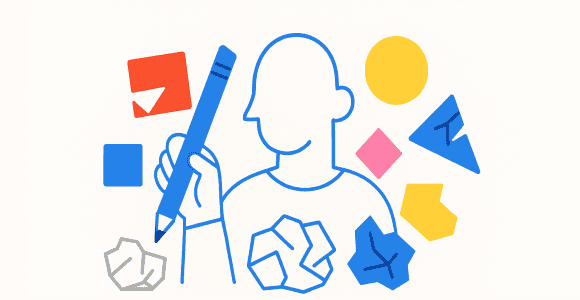
My first version is always wrong, and that's the point
I used to hide my early work and only show polished finals. Huge mistake. Now I put rough sketches in front of people immediately. I've saved months of work by discovering fundamental problems in week one instead of week ten. Failure is cheap when it happens early.
Image
Me struggling with my designs
Good design feels invisible
I used to add flourishes to prove I was creative. Then I watched someone struggle for 10 minutes trying to complete a simple task on something I'd over-designed. Now I obsess over removing friction instead of adding flair. The best compliment I get is "this just makes sense."
Image
Me chilling
Pretty things work better (and that's not shallow)
I learned this lesson backward—cleaned up the visual design of a form that was performing poorly, and conversion rates jumped 30%. Turns out when something looks trustworthy and professional, people actually trust it. Visual design isn't decoration; it's communication.